

Native Android performance
Native-compiled apps delivering smooth 60fps performance with platform-specific integrations and native UI components.
High-performance Android apps built from a single codebase for beautiful custom UI design, fast development, and seamless Play Store deployment.
We deliver comprehensive solutions that combine strategy, execution, and ongoing support so you can focus on business outcomes.
Native-compiled apps delivering smooth 60fps performance with platform-specific integrations and native UI components.
Instant visual feedback with Hot Reload—see UI changes in milliseconds without losing app state or recompiling.
Pixel-perfect custom designs built with native UI components for beautiful, brand-aligned Android experiences.
Streamlined CI/CD pipelines with Fastlane and Firebase App Distribution for automated Play Store releases and beta testing.
Responsive UI that adapts seamlessly across Android phones, tablets, foldables, and Wear OS devices.
Direct access to Android-specific APIs through platform channels for native features like notifications, sensors, and device hardware.
A clear, collaborative path that keeps quality high and risk low. You get predictable milestones and visible progress.
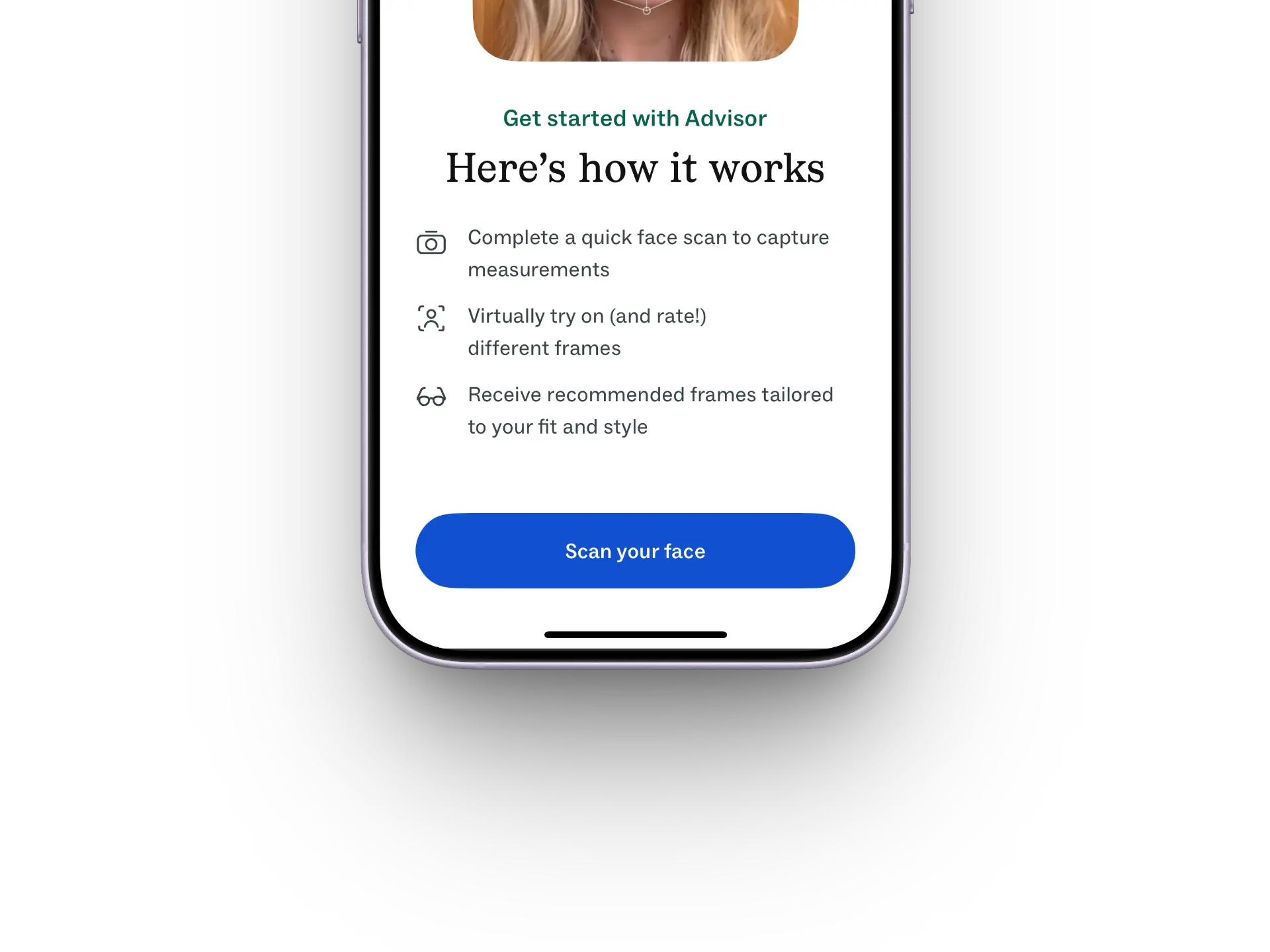
Deliverable: Workshops to align on objectives, constraints, and KPIs. We map risks, success metrics, and the initial plan.
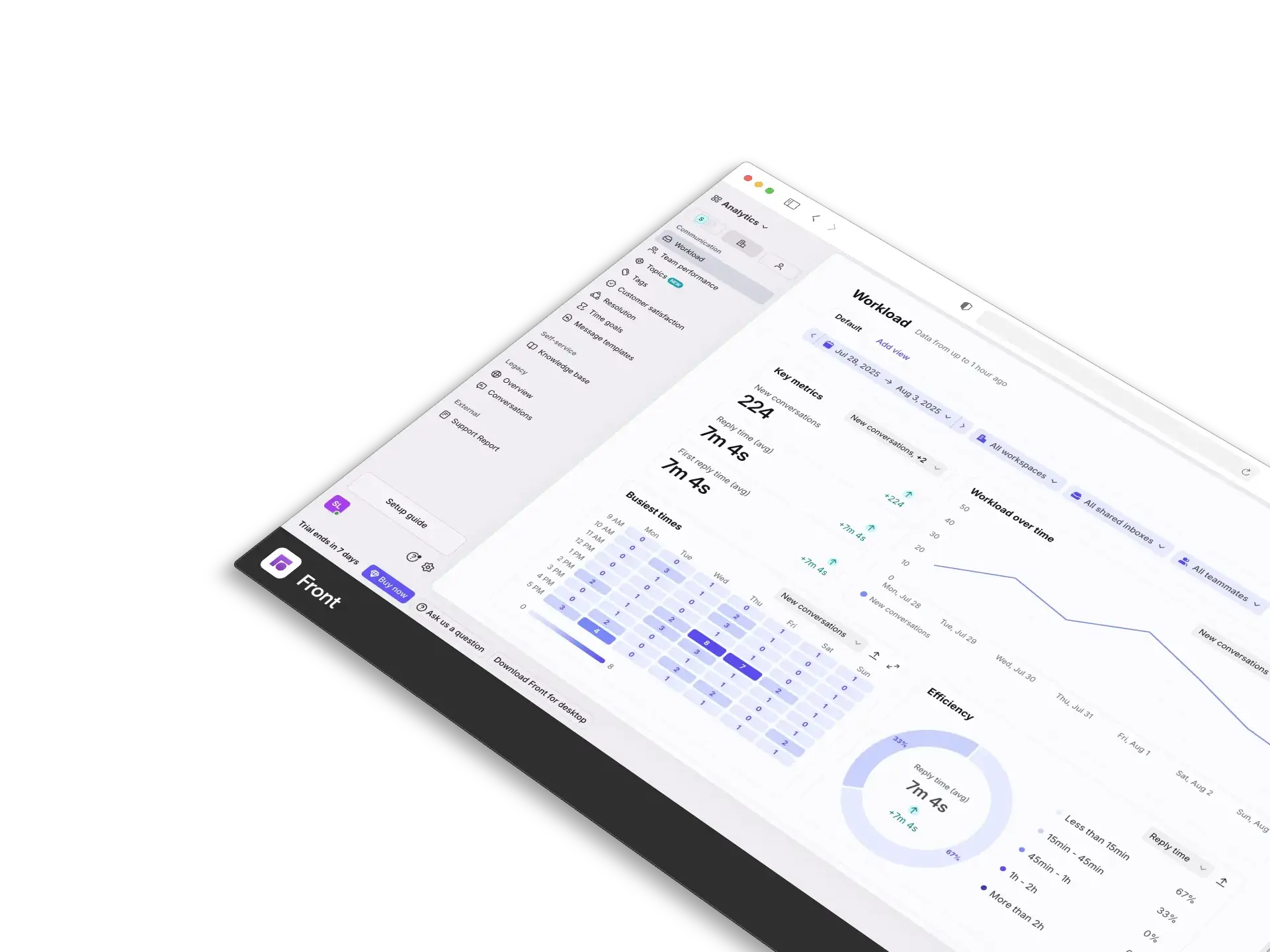
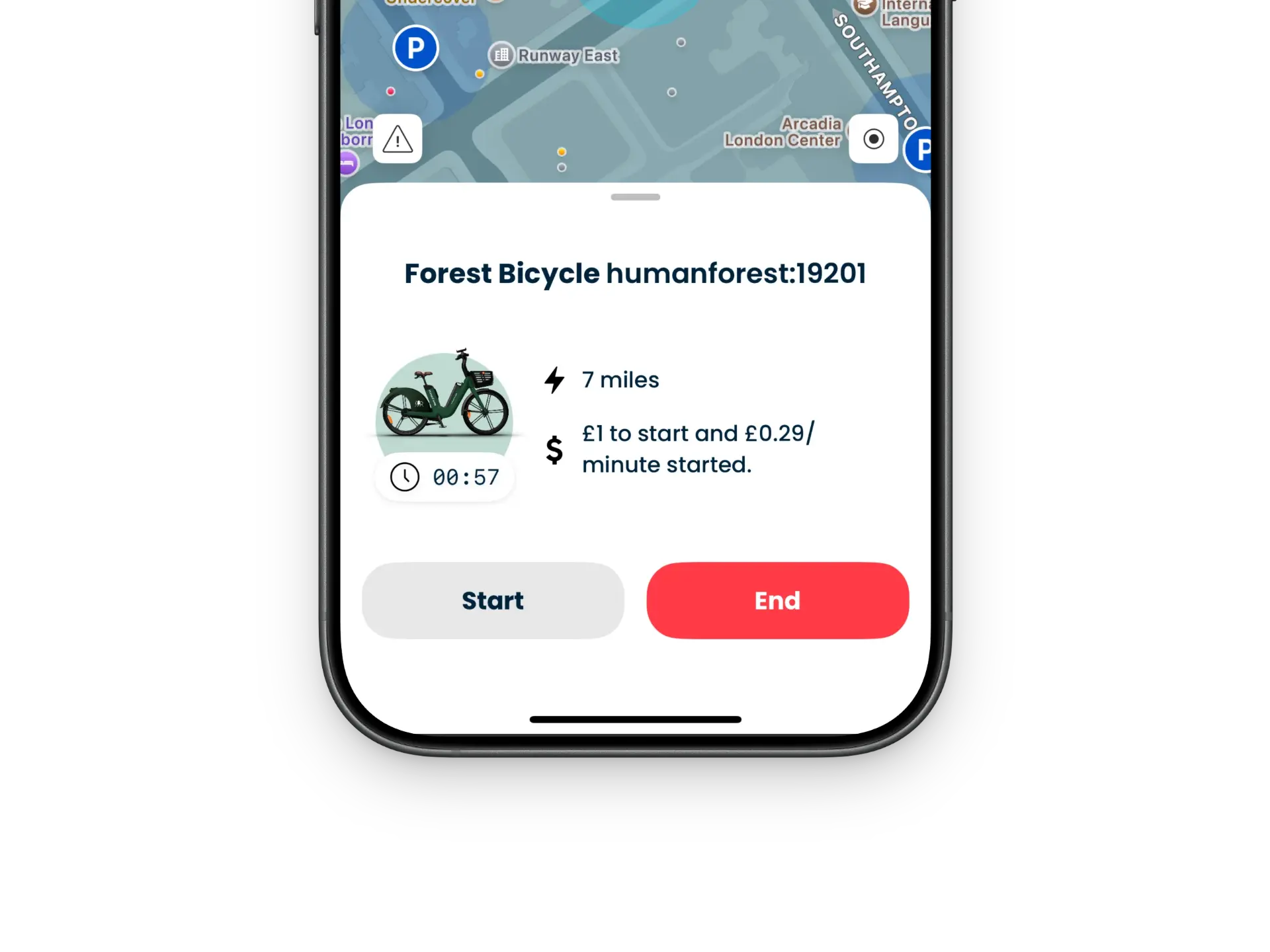
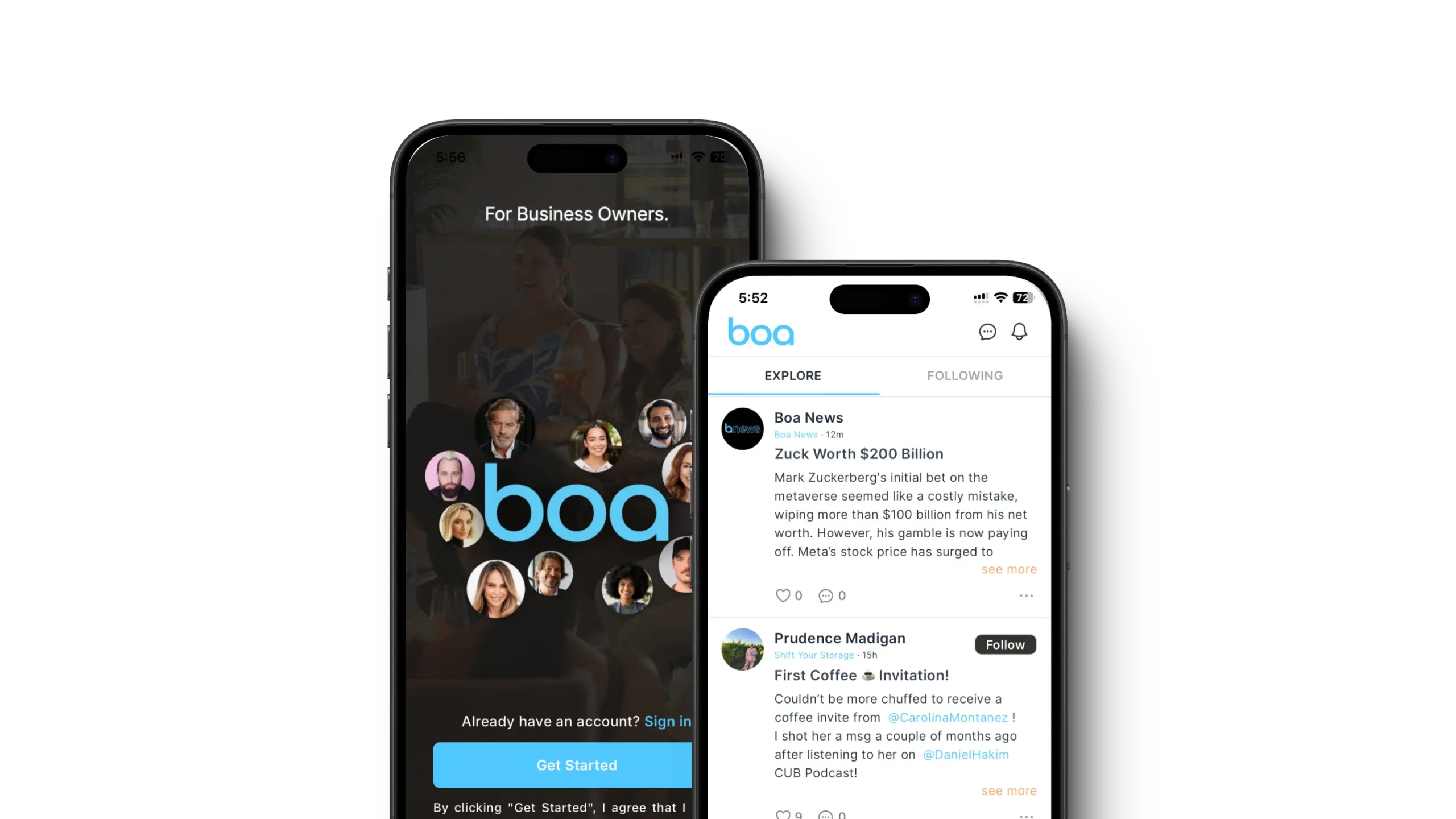
Beyond delivering features, we protect your roadmap, reduce risk, and leave you with solutions your team loves to own.
Deliver Android apps 30-50% faster with a single codebase, Hot Reload, and reusable components.
Native compilation delivers smooth 60fps performance indistinguishable from native Kotlin apps.
Cross-platform apps run smoothly on Android 5.0+ covering 98% of active Android devices with consistent behavior.
Automated Play Store releases with staged rollouts, A/B testing, and OTA updates through Firebase or CodePush.
Access to Google Play's 2.5+ billion Android users with streamlined app submission and distribution.
Firebase Analytics, Crashlytics, and Performance Monitoring for real-time insights and data-driven improvements.
Let's talk custom software and build something remarkable together.
Android app development is the process of building software applications for devices running Google's Android operating system. This includes smartphones, tablets, wearables (Wear OS), TVs (Android TV), and automotive systems (Android Auto). Development approaches include native (Kotlin/Java), cross-platform (Flutter, React Native), or hybrid (web-based). We primarily use Flutter for Android development because it compiles to native ARM code, delivers 60fps performance indistinguishable from native apps, and shares 80%+ code with iOS—reducing costs 30-50% while maintaining quality.
Timeline depends on complexity: Simple apps (5-10 screens, basic features) take 6-10 weeks. Medium complexity (15-25 screens, offline sync, integrations) takes 12-16 weeks. Complex enterprise apps (50+ screens, custom backends, compliance) take 4-8 months. Our Flutter-based approach typically reduces timelines 30-40% compared to native Kotlin development because we share code between platforms and leverage Hot Reload for rapid iteration. Most clients launch Android MVPs in 8-12 weeks.
Costs vary by scope: MVPs with core features range $25,000-$75,000. Full-featured apps with offline sync, integrations, and polished UX cost $75,000-$150,000. Complex enterprise solutions with compliance requirements, custom backends, and admin dashboards cost $150,000-$300,000+. Flutter cross-platform development saves 30-50% compared to building separate native apps for Android and iOS. We provide detailed estimates after discovery sessions that define scope and technical requirements.
For most apps, Flutter is the better choice. Flutter compiles to native ARM code, delivers identical 60fps performance to Kotlin apps, and shares 80%+ code with iOS—reducing development time and cost significantly. Choose native Kotlin only when you need: cutting-edge Android features before Flutter supports them, deep integration with specific hardware (specialized sensors, custom Bluetooth protocols), or your team already has strong Kotlin expertise. We recommend Flutter for 90%+ of Android projects and can advise based on your specific requirements.
Android runs on thousands of device models with varying screen sizes, hardware capabilities, and OS versions. We handle this through: responsive layouts that adapt to any screen size, testing on real devices covering 95%+ of the market (Samsung, Google Pixel, OnePlus, Xiaomi), supporting Android 5.0+ (98% device coverage), using Firebase Test Lab for automated testing across 50+ device configurations, and implementing graceful degradation for older devices. Flutter's widget-based architecture particularly helps because UI renders consistently across all Android versions.
Play Store submission involves: creating a Google Play Developer account ($25 one-time fee), preparing store listing (screenshots, descriptions, privacy policy), configuring app signing and release management, submitting the app bundle (AAB format), and passing Google's review (typically 1-3 days, sometimes hours). We handle the entire process including ASO (App Store Optimization) for discoverability. Our 98% first-submission approval rate comes from following Google's guidelines proactively and addressing common rejection reasons before submission.
Yes, with proper architecture. We build offline-first Android apps using: local SQLite or Room databases for structured data, encrypted storage for sensitive information, background sync with WorkManager when connectivity returns, conflict resolution for multi-device scenarios, and clear UI indicators showing sync status. Offline capability is essential for field workers, travelers, and regions with unreliable connectivity. Our Flutter apps include robust offline support as a standard feature for enterprise clients.
We implement multiple security layers: encrypted local storage using Android Keystore, secure network communication with certificate pinning, biometric authentication (fingerprint, face unlock), ProGuard/R8 code obfuscation, secure API communication with OAuth 2.0/JWT, runtime application self-protection (RASP), and compliance with OWASP Mobile Security guidelines. For enterprise apps, we add MDM integration, remote wipe capabilities, and SOC 2/HIPAA compliance measures as needed.
We typically support Android 5.0 (Lollipop, API 21) and above, covering 98%+ of active devices. This balance ensures maximum reach while allowing use of modern APIs and security features. For enterprise apps requiring newer features, we may target Android 8.0+ (95% coverage). We also ensure compatibility with the latest Android versions (currently Android 14) and test on beta releases to prepare for upcoming changes. Flutter's architecture makes supporting this range straightforward.
Yes, we offer comprehensive maintenance packages including: OS compatibility updates (new Android versions release annually), dependency and security updates, performance monitoring and optimization, bug fixes and crash resolution, feature enhancements based on user feedback, Play Store policy compliance updates, and analytics review with improvement recommendations. Most clients continue with us post-launch—70% retain us for ongoing development because we understand their codebase and deliver consistently.