

Transport & Logistics Software Development
Drivers scattered across 5 systems? Freight invoices with 15-66% error rates? Spending 20+ hours weekly on manual dispatch? We've built logistics platforms for 40+ transport companies. Our systems connect TMS to fleet tracking, automate route planning, and cut operational costs by 30%+. Most clients see ROI within 10 months. We deliver production-ready systems in 12-16 weeks.
Common Industry Challenges
Organizations face unique challenges that impact operations, compliance, and efficiency.
Manual Dispatch & Route Planning
Description
Dispatchers spending hours daily on spreadsheets and phone calls to coordinate routes. No visibility into driver locations or real-time traffic conditions. Routes planned manually without optimization, leading to wasted fuel and missed delivery windows. Drivers calling in for next job assignments instead of receiving automated dispatch. Customer delivery estimates are guesswork, not data-driven.
Impact
Our Software Solutions
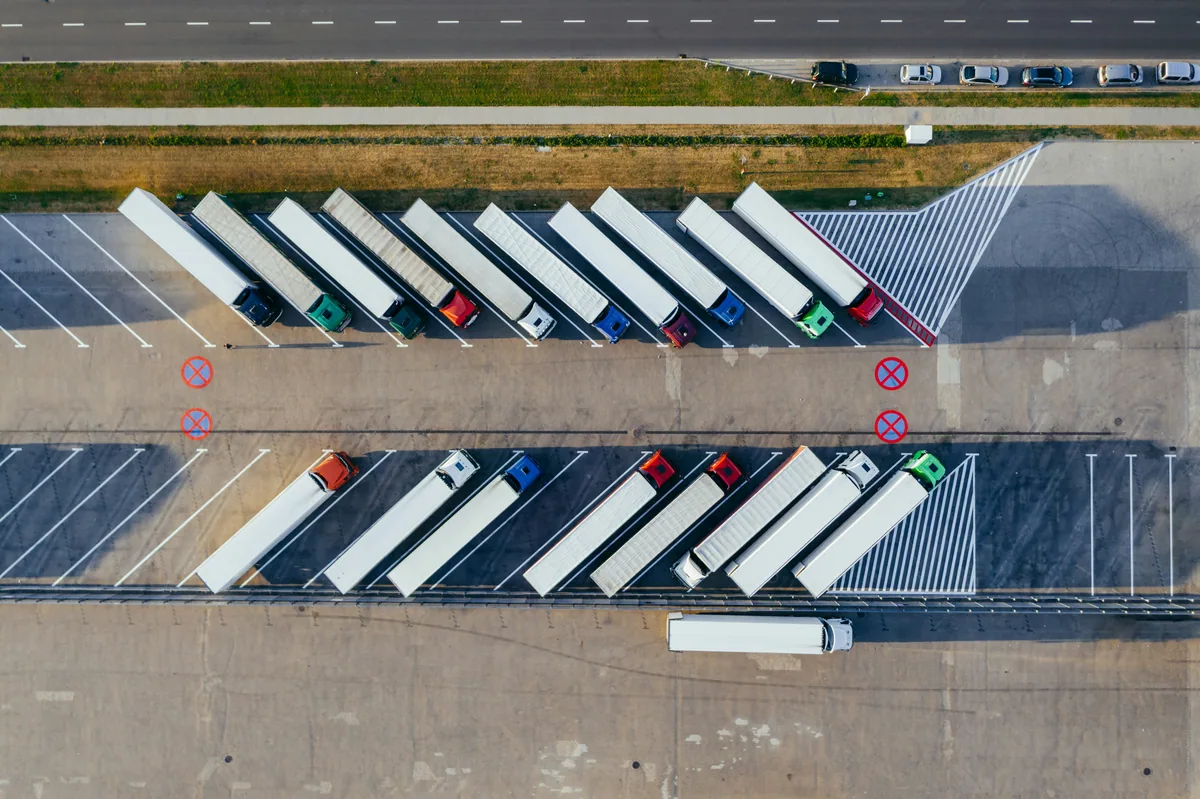
Transportation Management Systems (TMS)
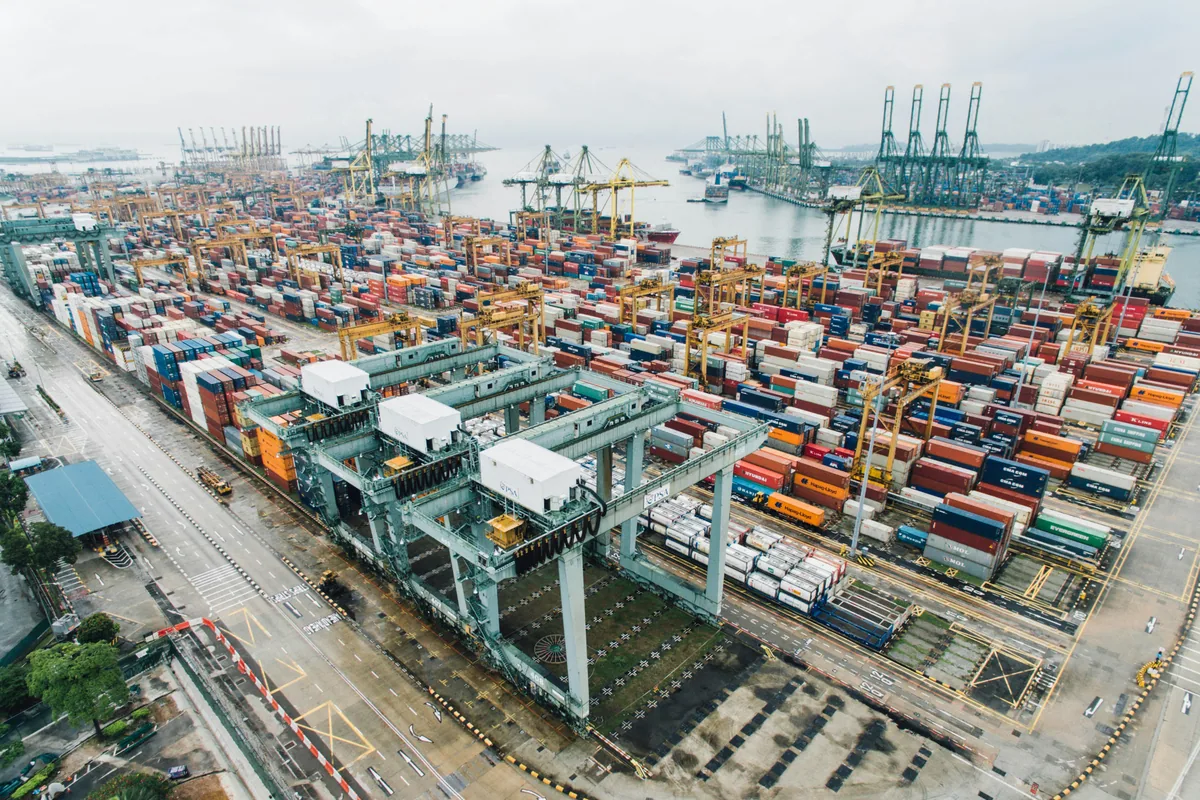
Fleet Management & Telematics Platforms

Warehouse Management Systems (WMS)

Route Optimization & Dispatch Software

Compliance & ELD Management Systems
Types of Software We Develop
We specialize in complex, data-heavy industrial applications where off-the-shelf software falls short.
Transportation Management Systems (TMS)
Description
TMS platforms manage the entire freight lifecycle from quote to delivery. Handle load planning, carrier selection, rate shopping, shipment booking, tracking, freight payment. Integrate with carriers via EDI or API to transmit tenders, receive tracking updates, process invoices automatically. Serve shippers managing transportation spend, 3PLs coordinating freight for multiple customers, carriers optimizing operations. Include freight procurement, network modeling, business intelligence for freight spend analysis.
Key Modules & Features

Built for US & Australian Transport Compliance
We ensure compliance with:
• FMCSA Hours of Service (HOS) Regulations
FMCSA enforces Hours of Service regulations limiting hours commercial drivers can operate vehicles to prevent fatigue-related accidents. Drivers limited to 11 hours driving after 10 hours off duty, must take 30-minute breaks after 8 hours driving, cannot drive beyond 14 hours after coming on duty. Violations can result in fines up to $16,000 per violation, out-of-service orders, potential loss of operating authority.
What we do: We build fleet management systems with FMCSA-certified ELD integration that automatically tracks driver hours, prevents HOS violations, provides alerts when rest breaks required, maintains compliant logs available for roadside inspections. Integrate with major ELD providers including Geotab, Samsara, Verizon Connect, KeepTruckin to pull driving time data automatically and provide real-time compliance monitoring.
• Electronic Logging Device (ELD) Mandate
ELD Mandate requires commercial motor vehicles use electronic logging devices to automatically record driving time and Hours of Service. ELDs must be FMCSA-certified, connect to vehicle's engine to capture location and engine data, provide standardized output for enforcement officers during inspections. Mandate applies to most commercial vehicles requiring CDL, with limited exemptions for short-haul and older vehicles.
What we do: We integrate with FMCSA-certified ELD hardware and build custom fleet management applications that consume ELD data via API. Platforms provide dispatch workflows respecting driver availability, prevent assignments that would create HOS violations, automate Driver Vehicle Inspection Reports (DVIRs), generate IFTA fuel tax reports, provide complete audit trails for compliance verification.
• DOT Safety Regulations & CSA Scores
DOT enforces comprehensive safety regulations covering vehicle maintenance, driver qualifications, hazardous materials, drug and alcohol testing, safety management. Compliance, Safety, Accountability (CSA) program measures carrier safety performance across seven categories: Unsafe Driving, Crash Indicator, HOS Compliance, Vehicle Maintenance, Controlled Substances/Alcohol, Hazardous Materials Compliance, Driver Fitness. High CSA scores can trigger interventions, audits, impact insurance rates and customer contracts.
What we do: We build safety management systems that track driver qualifications, document pre-employment screening, manage drug and alcohol testing programs, record Electronic Driver Vehicle Inspection Reports, schedule preventive maintenance, document accident investigations, monitor CSA scores. Platforms provide complete documentation for DOT audits and compliance reviews, with workflows ensuring required records are maintained and readily accessible.
• International Fuel Tax Agreement (IFTA) Reporting
IFTA is agreement among US states and Canadian provinces to simplify fuel tax reporting for interstate carriers. Carriers must track miles traveled and fuel purchased in each jurisdiction, calculate fuel taxes owed based on jurisdiction-specific tax rates, file quarterly IFTA reports. Manual tracking and calculation is error-prone and time-consuming, with penalties for late or inaccurate reporting.
What we do: We implement automated IFTA tracking that captures miles traveled in each jurisdiction from GPS telematics data, imports fuel purchase data from fuel card systems, calculates taxes owed automatically using current tax rates, generates IFTA quarterly reports ready for submission. Systems eliminate manual mileage logging, reduce calculation errors, provide audit trails for tax authority reviews.
Important: StepInsight provides compliance support by building software that meets technical and regulatory requirements. We are not legal advisors, customs brokers, or compliance auditors. Organizations remain responsible for their regulatory compliance obligations.
Real World Use Cases
How we apply our engineering standards to solve complex problems.
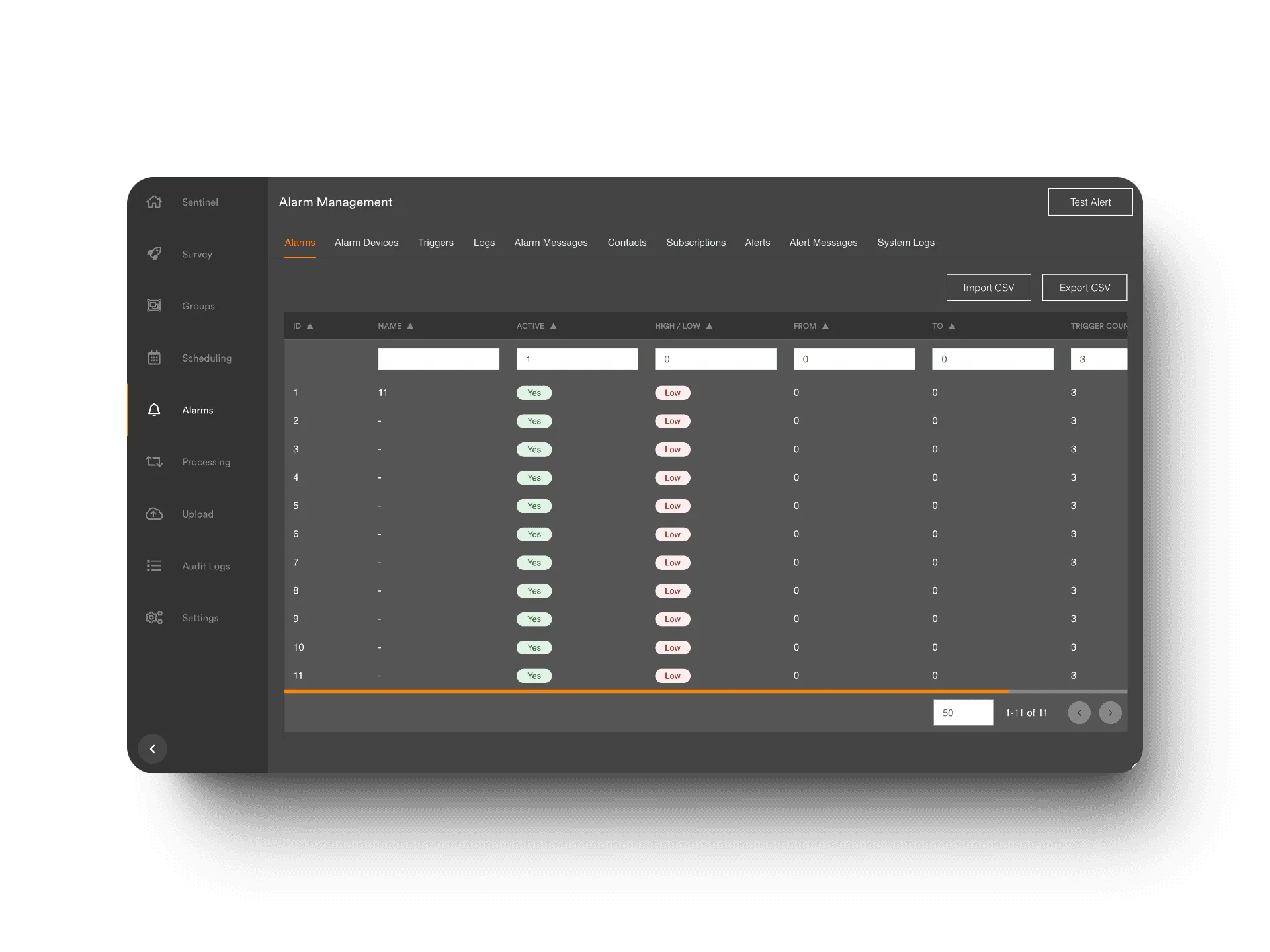
Technologies & Integrations
| System Type | Common Tools | Our Capabilities |
|---|---|---|
| ERP Systems | SAP, Oracle NetSuite, Microsoft Dynamics 365, Infor, IFS, Epicor, Sage | Bidirectional sync of customer orders, purchase orders, inventory levels, shipping transactions, invoicing, and general ledger postings; Real-time data exchange via REST APIs, web services, or EDI; Automatic creation of shipments from sales orders; Inventory updates from warehouse receipts and shipments; Financial transaction posting for freight costs and revenue |
| Accounting Software | QuickBooks, Xero, MYOB, FreshBooks, Sage Intacct, NetSuite | Automated posting of freight revenue, carrier payments, and operating expenses; Invoice generation from shipment data with GL account mapping; Accounts receivable integration for customer billing; Accounts payable integration for carrier payments; Real-time financial dashboards showing revenue, costs, and profitability; Multi-entity and multi-currency support for international operations |
| Telematics & GPS Hardware | Geotab, Samsara, Verizon Connect, Teletrac Navman, Trimble, KeepTruckin (Motive), Omnitracs | Real-time vehicle location via GPS tracking; Engine diagnostics and fault code monitoring; Driver behavior data (harsh braking, acceleration, speeding, idling); Hours of Service data from Electronic Logging Devices; Fuel consumption and vehicle utilization metrics; Integration via REST APIs or SDK for custom applications |
| Carrier Networks & Load Boards | DAT, Truckstop.com, 123Loadboard, CarrierSource, Convoy, Uber Freight, Transfix | Electronic load tendering via EDI or API integration; Real-time capacity search and freight matching; Automated rate quotes and freight procurement; Shipment tracking integration with carrier systems; EDI transactions (204 Load Tender, 214 Shipment Status, 210 Invoice); Carrier onboarding with insurance and authority verification |
| E-Commerce Platforms | Shopify, WooCommerce, Magento, BigCommerce, Salesforce Commerce Cloud, Amazon Seller Central | Automatic import of e-commerce orders for fulfillment; Real-time shipping rate calculation at checkout; Order status updates and tracking number sync; Inventory level synchronization across channels; Returns management and reverse logistics; Multi-channel order consolidation for warehouse fulfillment |
Custom vs. Off-the-Shelf Software
Understanding the differences helps you make the right choice for your organization.
Details:
Workflows built around your specific operations including dispatch processes, customer service procedures, and compliance requirements. The software adapts to your business, not the other way around.Details:
Rigid workflows designed for general use cases. You must adapt your operations to fit the software's limitations and assumptions.Details:
Custom API integration with any system including ERP, accounting, telematics hardware, carrier networks, customs systems, and proprietary platforms. We build the connections your business needs.Details:
Limited to pre-built integrations with popular platforms. Connecting with specialized systems, legacy software, or custom applications often impossible or requires expensive middleware.Details:
Own your software with one-time development investment. No per-user fees or monthly subscriptions. Predictable costs with optional support and maintenance agreements. Single platform handles multiple needs without product proliferation.Details:
Per-user or per-vehicle monthly subscriptions that increase costs as you grow. Hidden fees for additional features, API access, data storage, or support. Costs multiply across multiple products needed for complete solution.Details:
Feature development prioritized based on your business needs. Custom capabilities built in weeks, not months or years. Your competitive advantage isn't dependent on vendor priorities. Rapid response to market changes and new opportunities.Details:
New features added on vendor's roadmap timeline, often 6-18 months after request. Your specific needs compete with thousands of other customers. No guarantee requested features will ever be built.Details:
Complete ownership and control of your data. Deploy on your infrastructure or cloud provider of choice. Unlimited API access for integration and reporting. Export data in any format needed. Full backup and disaster recovery control.Details:
Your data stored in vendor's cloud with limited export options. Restrictions on API access, data volume, and integration capabilities. Risk of data lock-in making migration difficult. Dependent on vendor's data center availability and performance.Details:
Infrastructure optimized for your specific load patterns and data volumes. Ability to scale up or out as business grows. Performance tuning focused on your critical workflows. Cloud-native architecture handles seasonal peaks and business growth.Details:
Shared infrastructure with other customers impacting performance during peak times. Limited ability to optimize for your specific data volumes and transaction patterns. Scale constrained by vendor's architecture decisions.Built by Senior Engineers With Logistics Expertise
Industries Served
- Transport & Logistics
- Manufacturing
- Retail & E-Commerce
- Healthcare
- Field Services
Services
- Transportation Management Systems (TMS)
- Fleet Management Platforms
- Warehouse Management Systems (WMS)
- Route Optimization Software
- Freight Tracking & Visibility
- Compliance & ELD Systems
Ready to Connect Your Disconnected Operations?
Fleet data in one system, freight in another, warehouse in spreadsheets? We've helped 40+ transport companies solve these exact problems. Our platforms connect TMS to fleet tracking, automate dispatch, and cut operational costs by 30%+. Let's discuss what's possible.
Frequently Asked Questions
Custom logistics software typically costs $80,000-$400,000+ depending on complexity. Basic TMS with carrier management and tracking starts around $80k-$120k. Fleet management platforms with telematics integration range $100k-$200k. Comprehensive WMS handling multiple facilities typically $150k-$300k. Cost factors include integrations (ERP, telematics, carriers), custom business logic, mobile apps, compliance features (ELD, CoR). Most clients see ROI within 12-18 months through efficiency gains and reduced manual processes. For perspective, off-the-shelf SaaS costs $200k-$500k+ over 5 years due to per-user and per-vehicle fees.
TMS manages freight movement and carrier relationships: rate shopping, load planning, carrier selection, shipment tracking, freight payment. Serves shippers, 3PLs, freight brokers. WMS optimizes warehouse operations: receiving, putaway, inventory, picking, packing, shipping. Uses barcode scanning and mobile devices. Fleet Management manages owned vehicles and drivers: GPS tracking, maintenance scheduling, fuel management, driver safety, HOS/ELD compliance. Many companies need multiple systems working together. We often build integrated platforms combining TMS, fleet management, WMS in a single system, eliminating data silos and duplicate entry.
Typical delivery is 12-16 weeks from project kickoff to live deployment. Includes requirements analysis (2 weeks), system design (1-2 weeks), development (6-8 weeks), testing (2-3 weeks), training and deployment (1 week). Simpler solutions like route optimization or basic fleet tracking deliver in 8-10 weeks. Complex 3PL platforms with extensive carrier integrations may take 20-24 weeks. We use phased delivery: launch core capabilities quickly then add advanced features in subsequent phases. Delivers value faster while building toward complete vision. Timeline factors include integration complexity, custom business logic, mobile apps, data migration.
Yes, we integrate with all major telematics providers including Geotab, Samsara, Verizon Connect, Teletrac Navman, Trimble, KeepTruckin (Motive), Omnitracs. Integrations pull real-time GPS location, vehicle diagnostics, driver behavior data, HOS information, fuel consumption into your fleet management or dispatch system. Use official APIs for reliable, supported integrations. Enables real-time dispatch with live vehicle locations, automated compliance monitoring pulling HOS data from ELDs, maintenance scheduling triggered by diagnostic trouble codes, fuel management, safety management analyzing harsh braking and speeding. Can integrate with custom IoT hardware for specialized tracking needs.
Yes, we build transport software for both US and Australian markets with jurisdiction-specific compliance. US operations: FMCSA HOS regulations, ELD mandate with certified ELD integration, DOT safety management and CSA score tracking, IFTA mileage tracking and fuel tax reporting, HAZMAT compliance. Australian operations: Chain of Responsibility (CoR) management with fatigue tracking, Heavy Vehicle National Law (HVNL) compliance, mass management and load restraint documentation, NHVAS support, Integrated Cargo System (ICS) integration for customs. Build systems handling multi-country operations in single platform, adapting compliance features, user interfaces, regulatory reporting to appropriate jurisdiction.
We integrate with FMCSA-certified ELDs including Geotab, Samsara, KeepTruckin (Motive), Verizon Connect to automatically capture Hours of Service data. Integration pulls driving time, on-duty time, rest periods, location data from ELD hardware connected to vehicle engines. Fleet management platforms display real-time HOS compliance status, prevent dispatch assignments that would create violations, alert dispatchers when drivers approach HOS limits, provide driver-facing views of remaining available hours, generate compliant logs for roadside inspections. Build business logic that enforces compliance proactively—dispatch system won't assign loads drivers can't complete legally. Electronic DVIRs allow drivers to complete inspections on mobile devices.
Yes, we integrate with carrier networks, freight load boards, electronic tendering systems including DAT, Truckstop.com, 123Loadboard, EDI networks, direct carrier API connections. Integrations enable electronic load tendering where TMS automatically tenders freight to selected carriers via EDI 204 or API, receives responses automatically, pulls tracking updates via EDI 214 or API, processes freight invoices via EDI 210. Direct carrier integrations connect with FedEx, UPS, XPO, Old Dominion, hundreds of LTL and parcel carriers for rate shopping, shipment booking, label generation, tracking. Modern carriers offer REST APIs; traditional carriers use EDI with batch processing. Eliminates manual load tendering phone calls, enables rate shopping, reduces errors, provides consolidated tracking.
Route optimization uses advanced algorithms to calculate efficient vehicle routes considering delivery time windows, vehicle capacity, driver schedules, HOS compliance, traffic patterns, service duration, customer priorities, depot locations. Solves Vehicle Routing Problem (VRP) using genetic algorithms, simulated annealing, constraint programming. Optimization happens in layers: strategic routing determines geographic areas each vehicle serves, tactical routing assigns stops to vehicles, operational routing determines sequence to minimize drive time. Dynamic re-optimization adjusts routes in real-time when new orders arrive, customers reschedule, traffic delays occur. Companies reduce miles driven by 20-30%, complete 25% more stops per day, improve on-time delivery, reduce fuel consumption.
Yes, mobile apps are critical components of modern logistics software. Driver apps provide electronic dispatch, turn-by-turn navigation, proof of delivery capture with photos and signatures, electronic HOS logs and compliance alerts, DVIRs, offline functionality for areas without cellular coverage. Warehouse apps provide mobile-directed workflows for receiving, putaway, picking, packing, shipping, barcode scanning for inventory accuracy, real-time inventory visibility. Build native iOS and Android apps when performance and offline capabilities are critical, or cross-platform apps using React Native for faster development. Design interfaces specifically for mobile use: large buttons for glove-wearing workers, voice-guided navigation, minimal data entry through barcode scanning and photos.
Post-launch support ensures custom transport software continues performing reliably and evolves with your business. Support includes bug fixes, security patches, performance monitoring and optimization, infrastructure management for cloud hosting, technical support via email, phone, ticketing system. Maintenance retainers provide predictable monthly costs covering routine updates, minor enhancements, support. Most clients choose maintenance agreements covering 5-10 hours monthly for small systems up to 40+ hours monthly for large platforms. Enhancement projects add new features, integrations, capabilities as business needs evolve. Provide training for new users and documentation including technical documentation, user guides, administrator guides. Most clients find ongoing support valuable because original development team knows system intimately.