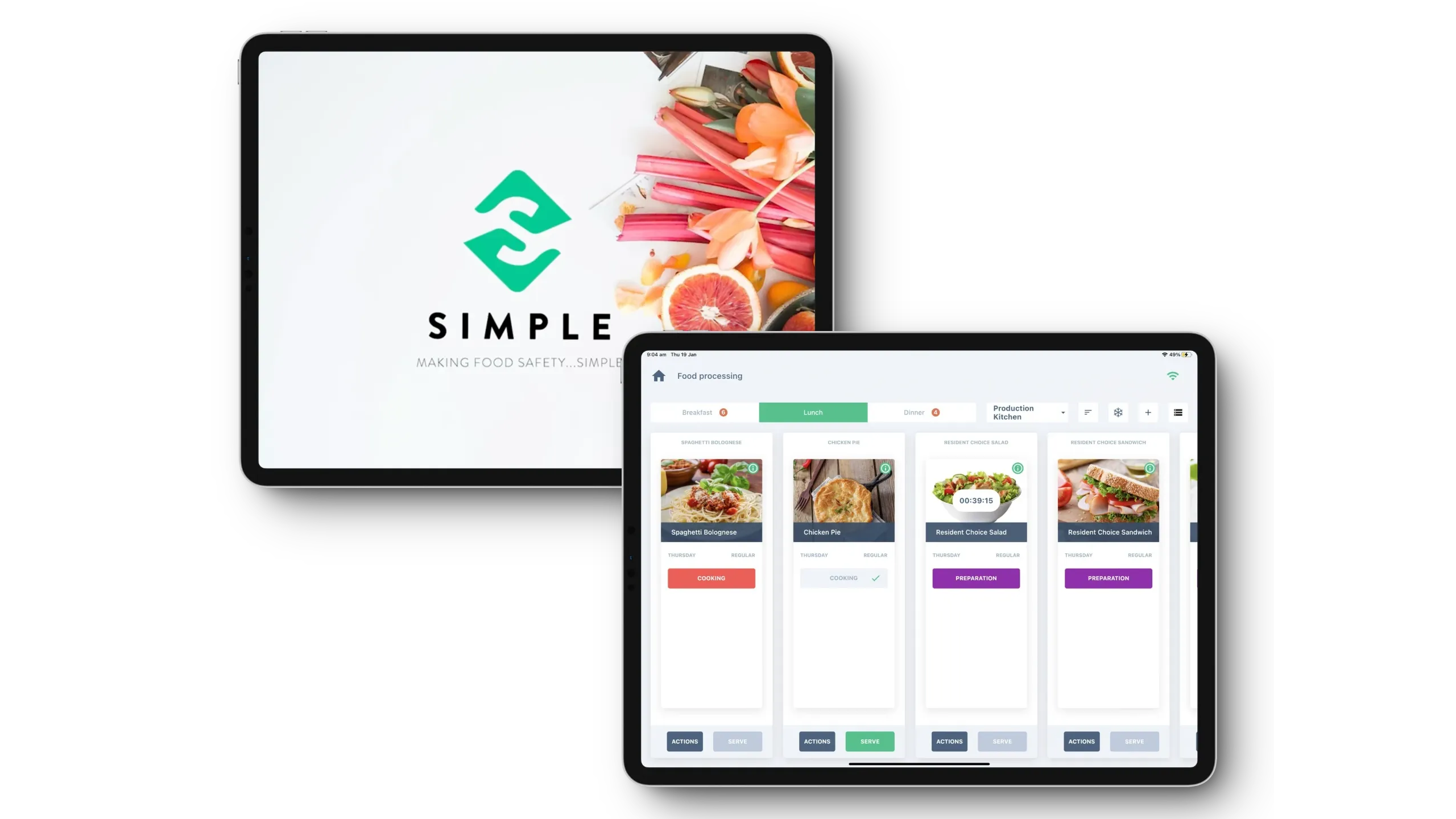
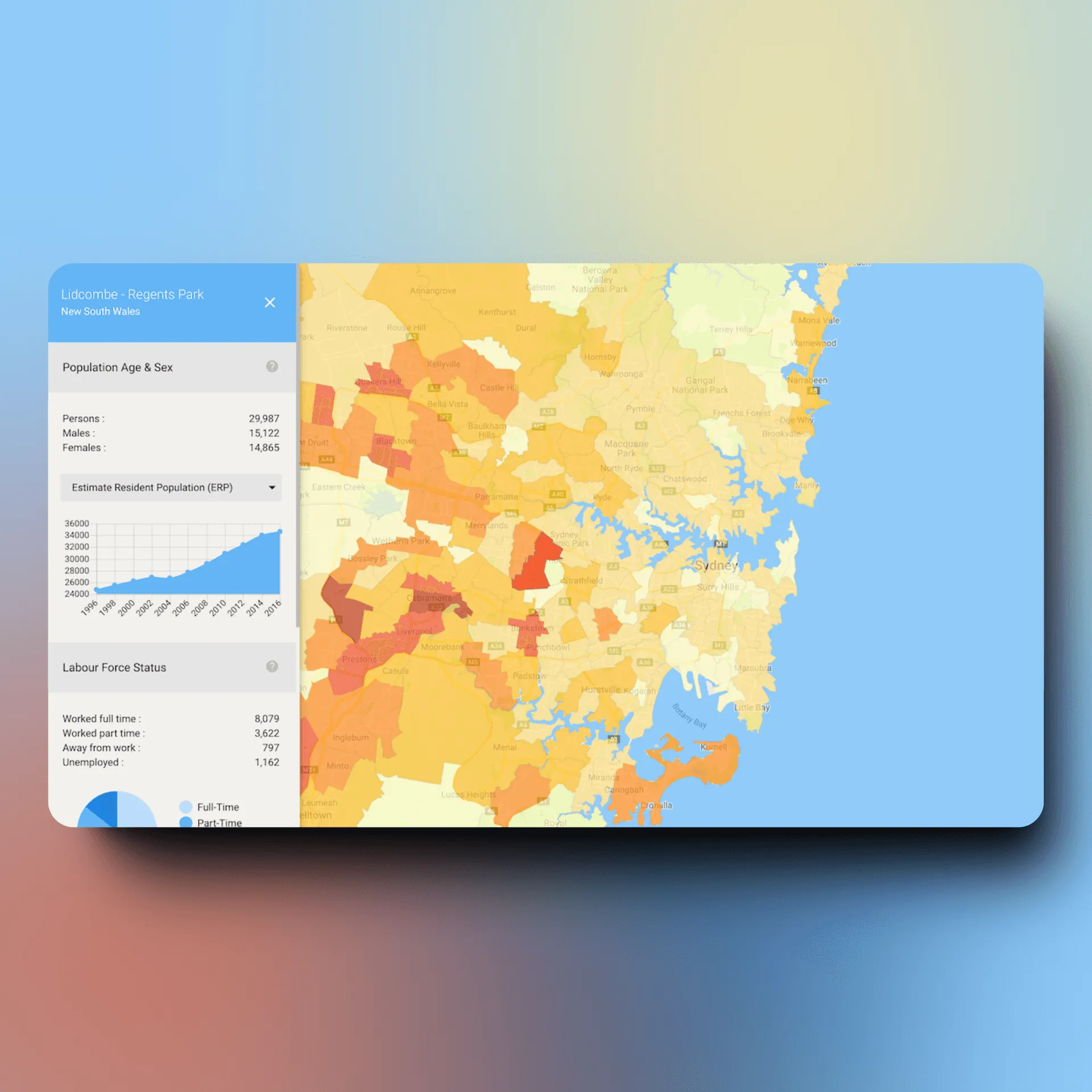
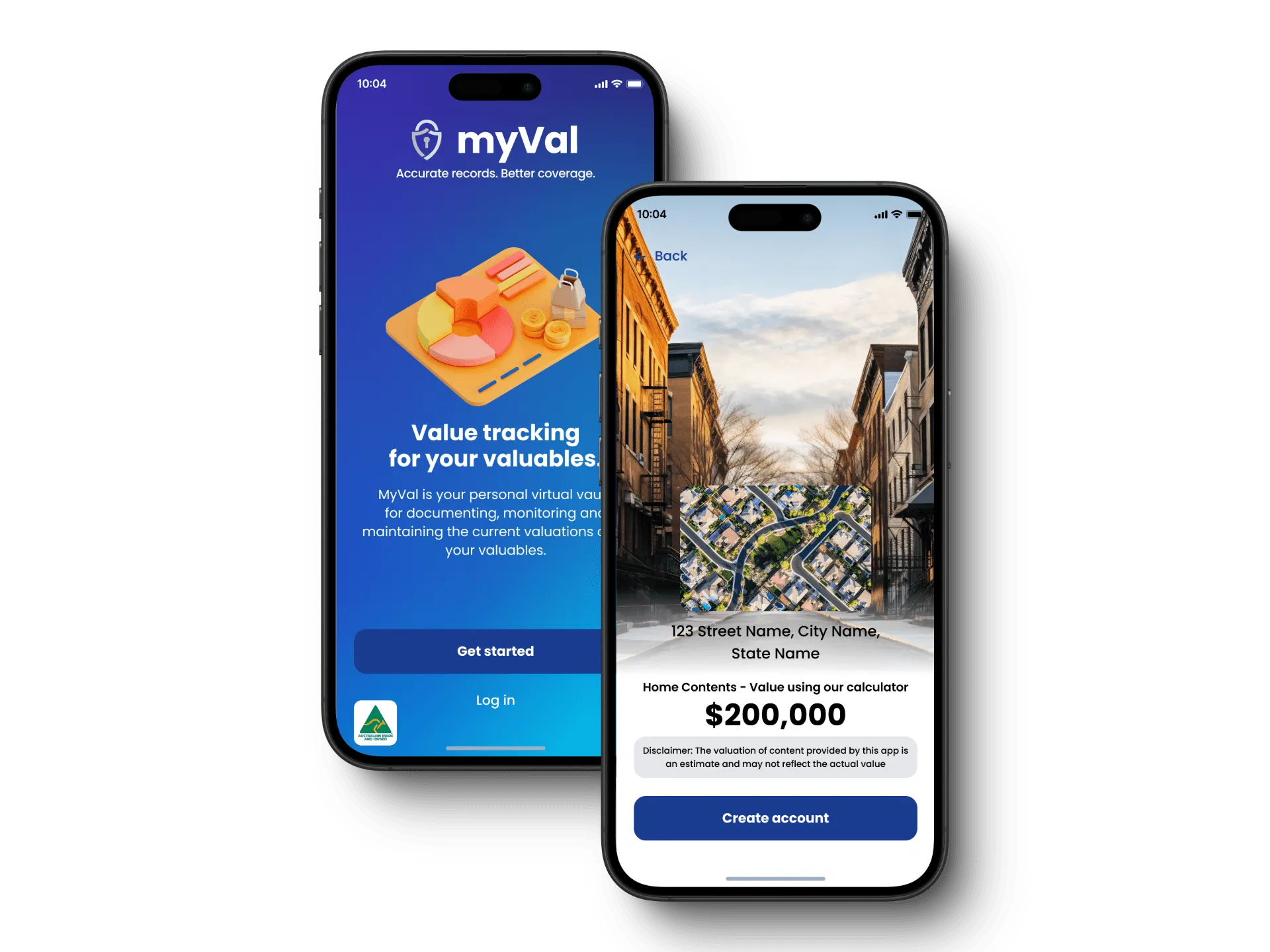
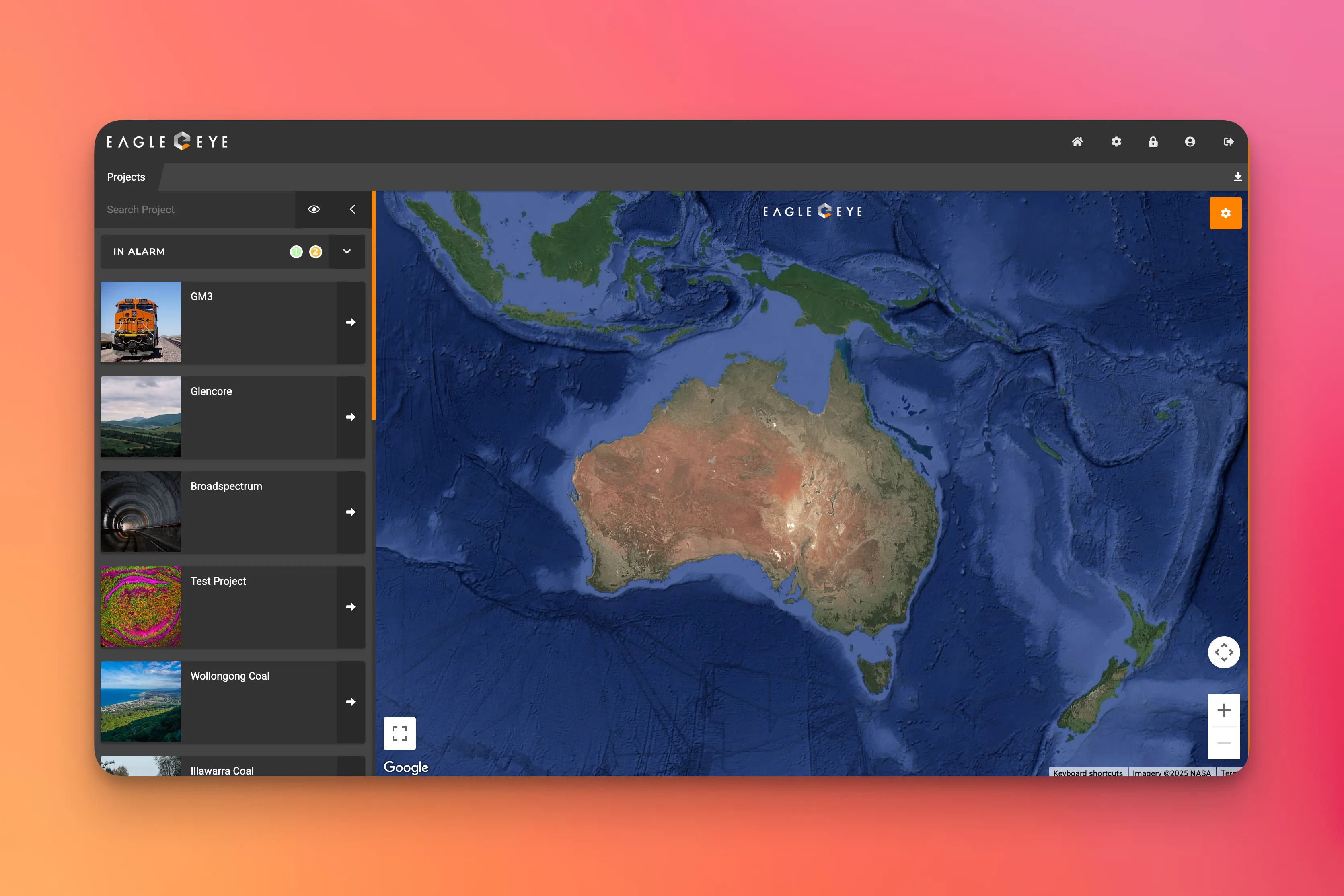
Virtual Prototyping

Product Managers, Startup Founders, and UX Teams

What You Get

What's Included in Our Virtual Prototyping

Key deliverable

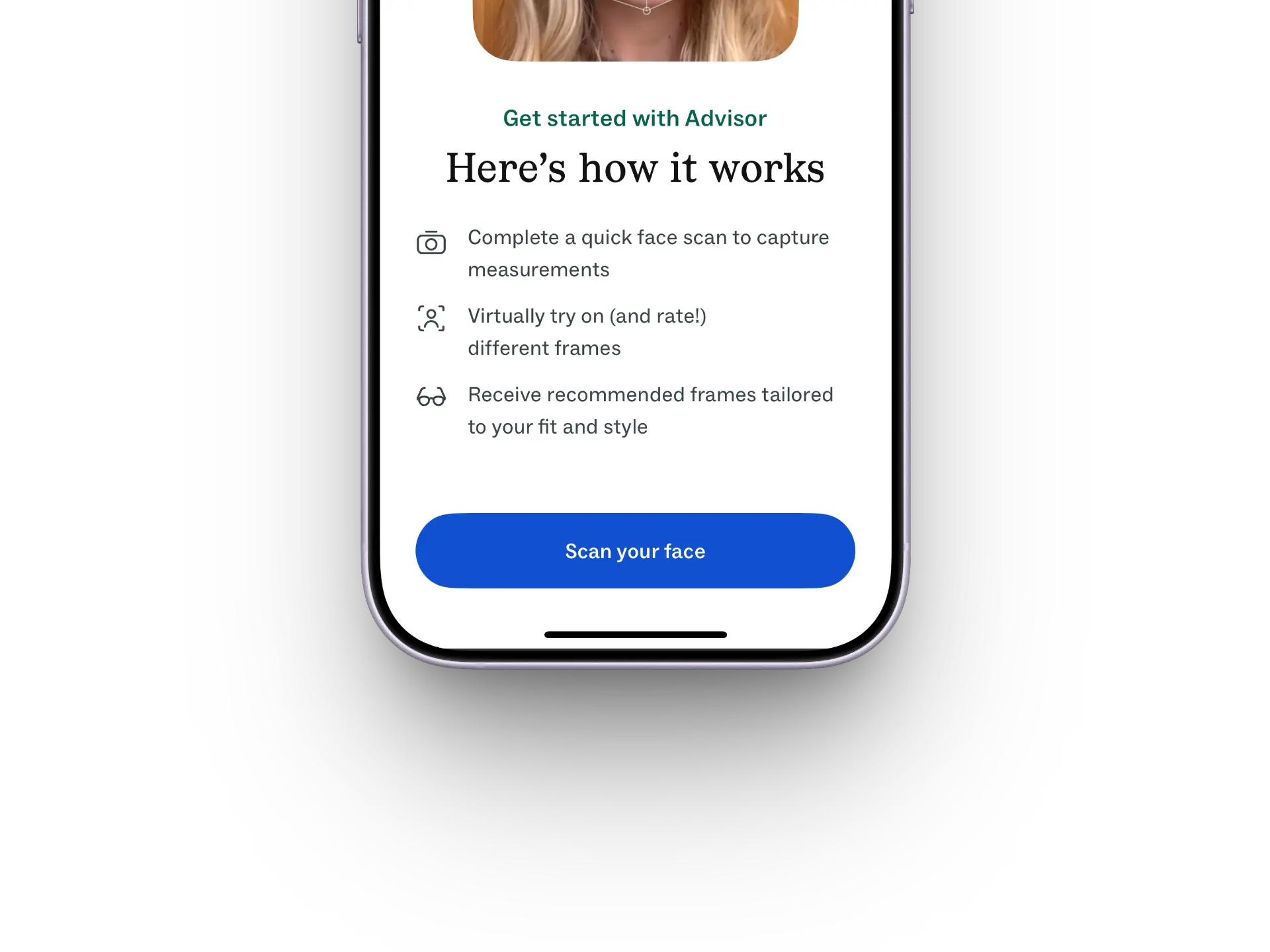
Interactive User Flows

Map every user journey with clickable, interconnected screens that demonstrate the complete experience.

  • Complete user journey mapping with entry points, decision nodes, and outcomes
  • Clickable navigation between all screens and states (logged in/out, empty/populated)
  • Interactive form validation and error state demonstrations
  • Multi-path scenario coverage (happy path, edge cases, error handling)
Key deliverable

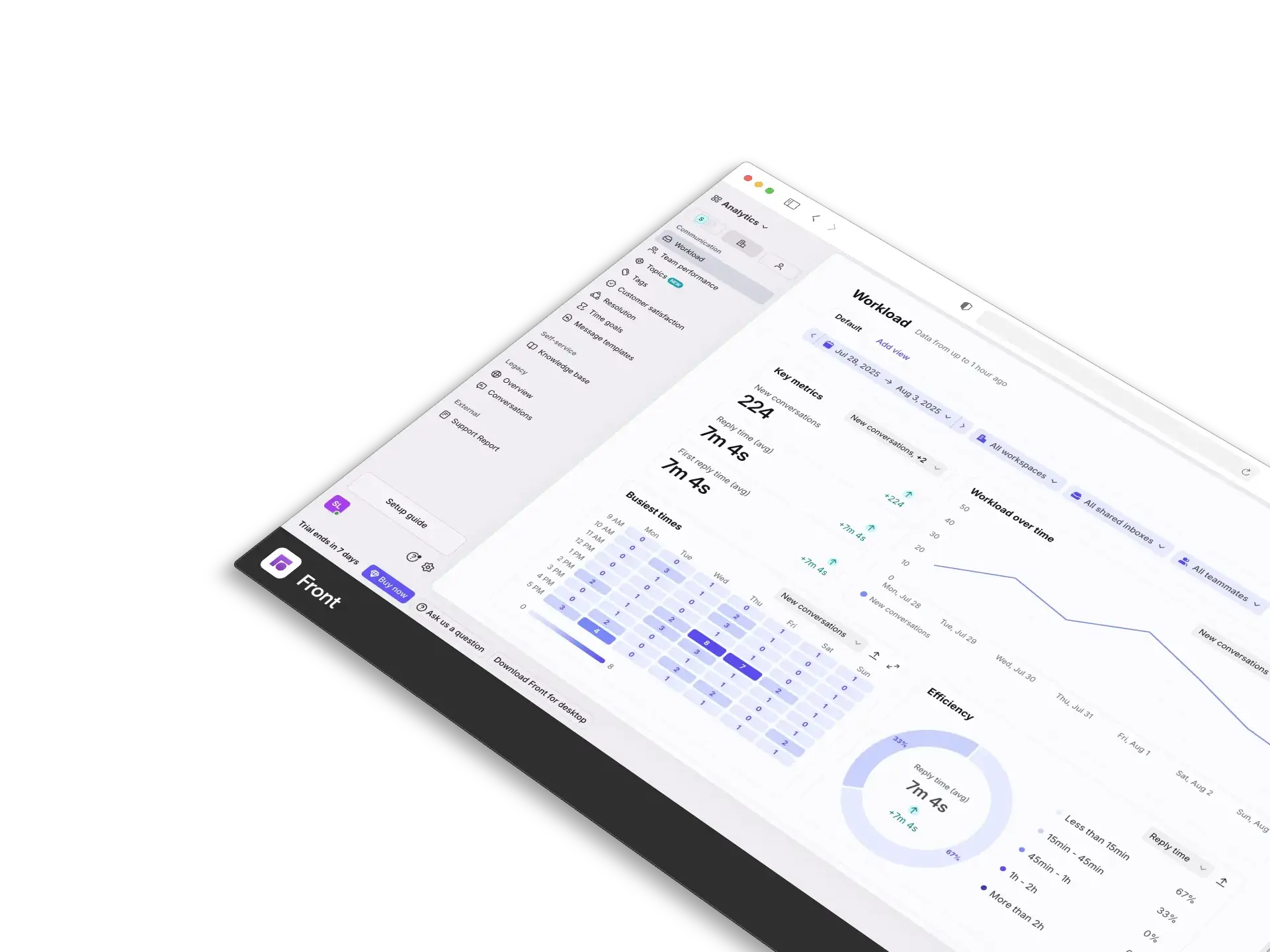
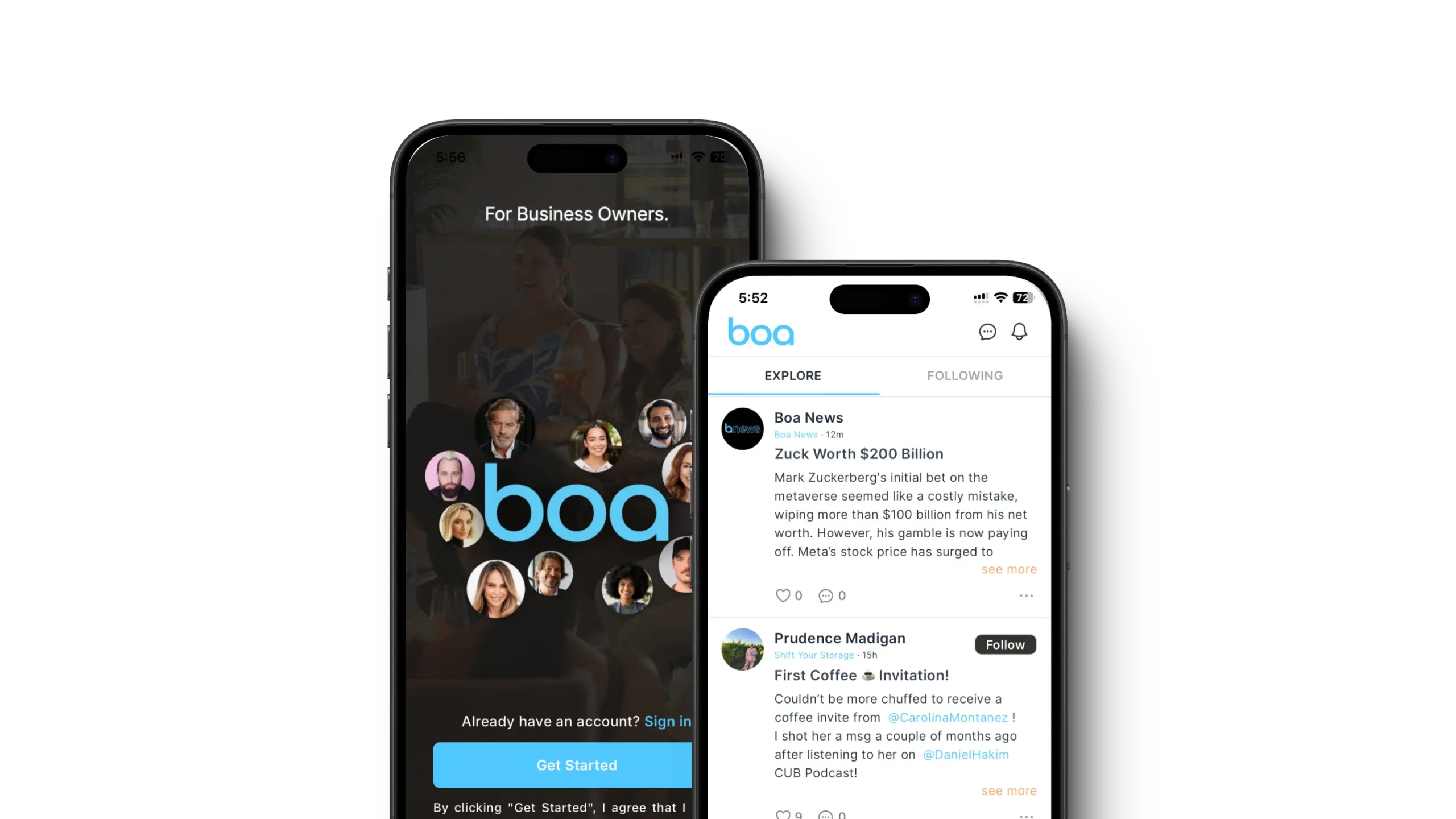
High-Fidelity Visual Design

Pixel-perfect UI designs with your brand colors, typography, and visual identity applied throughout.

  • Production-ready visual design matching your brand guidelines
  • Custom iconography and illustration integration
  • Micro-interaction animations (hover states, transitions, loading indicators)
  • Real content and data examples (not lorem ipsum placeholders)
Key deliverable

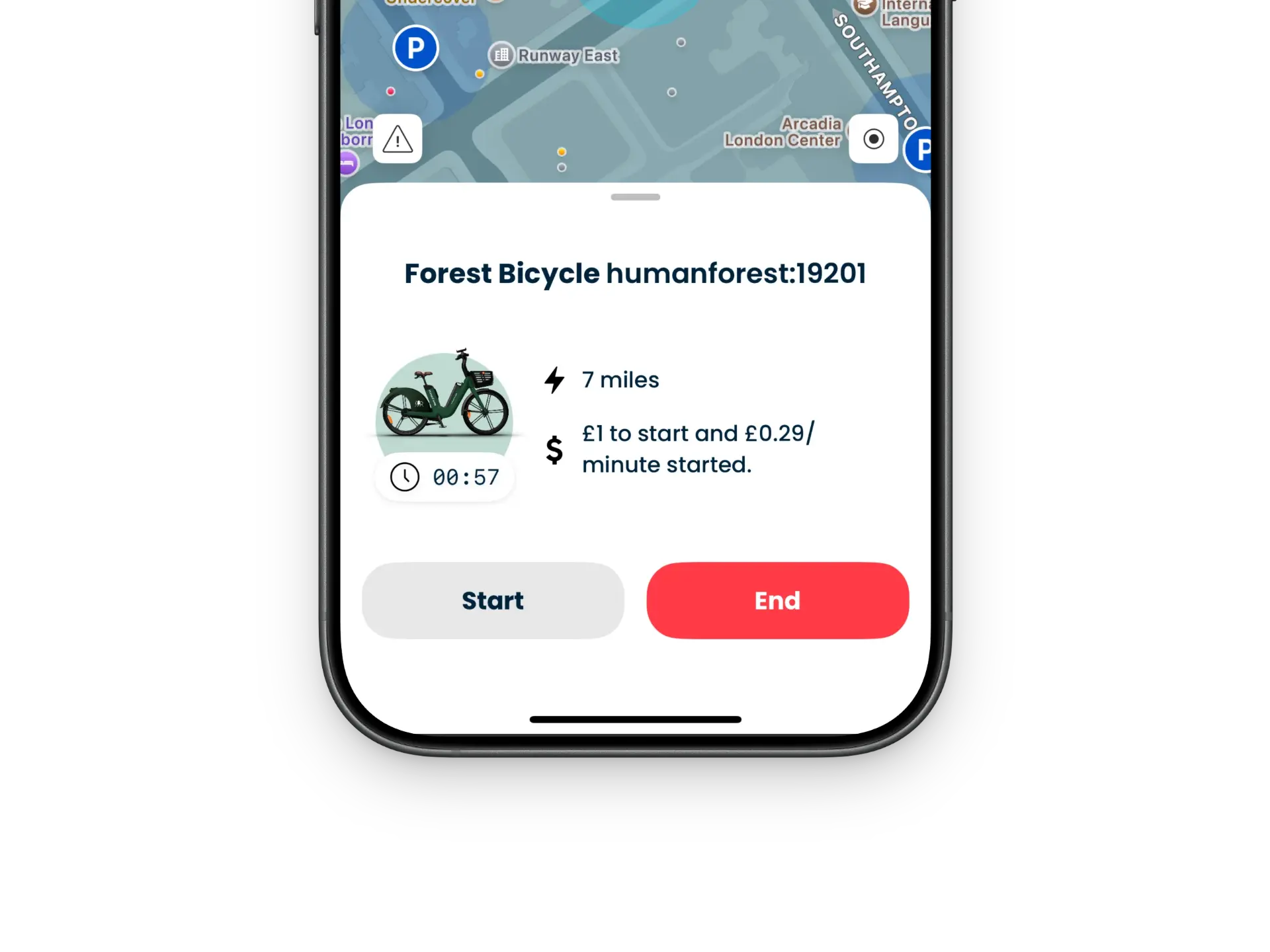
Clickable Prototype Files

Fully interactive prototypes built in Figma, Adobe XD, or your preferred platform with shareable links.

  • Share links for stakeholder review (no software installation required)
  • Password protection and expiration controls for sensitive projects
  • Comment and annotation functionality for feedback collection
  • Version history and iteration tracking throughout development
Key deliverable

User Testing Documentation

Comprehensive testing scripts, participant recruitment, and findings reports to validate your design.

  • Moderated user testing session guides with task scenarios
  • Test participant recruitment targeting your ideal user segments
  • Recorded session videos with timestamps for key insights
  • Usability findings report with severity ratings and recommendations
Key deliverable

Developer Handoff Package

Complete technical specifications ensuring pixel-perfect implementation by your development team.

  • Design system documentation with component specifications
  • CSS styling specifications (colors, fonts, spacing, breakpoints)
  • Interactive behavior annotations (click events, animations, transitions)
  • Asset export in all required formats (SVG, PNG @1x-3x, WebP)
Key deliverable

Stakeholder Presentation Materials

Investor-ready demo videos and presentation decks to secure funding and internal buy-in.

  • Narrated walkthrough videos demonstrating key user journeys
  • Pitch deck slides featuring prototype screenshots and value propositions
  • Interactive demo sessions with live prototype navigation
  • ROI projection materials showing development cost savings
Our Process

From Discovery to Delivery

A proven approach to strategic planning

Understand your users, business goals, and technical constraints
01

Discovery & Requirements • 3-5 days

Understand your users, business goals, and technical constraints

Deliverable: Discovery summary document with user personas, key user flows to prototype, success metrics, and project scope agreement

View Details
Map user journeys and create low-fidelity interaction models
02
Apply your brand and create production-ready visual designs
03
Connect screens into fully clickable, shareable prototype
04
Test with real users and refine based on feedback
05
Package specifications for seamless development implementation
06

Why Trust StepInsight for Virtual Prototyping

Experience

  • 10+ years designing and prototyping digital products across web, mobile, and SaaS platforms
  • 300+ interactive prototypes delivered for startups, scale-ups, and enterprise clients
  • Prototypes used to raise $50M+ in funding for client companies across seed through Series B rounds
  • Partnered with companies from pre-seed concept through Series B scale
  • Global delivery experience across US, Australia, Europe with offices in Sydney, Austin, and Brussels

Expertise

  • UX/UI design methodologies including user-centered design, design thinking, and Jobs-to-be-Done frameworks
  • Prototype tools expertise: Figma, Adobe XD, Sketch, InVision, Axure RP, Principle with AI-enhanced workflows
  • AI-assisted design acceleration: leveraging generative AI tools for rapid wireframing and layout generation
  • User testing methodologies: moderated usability testing, A/B testing, tree testing, card sorting
  • Accessibility standards: WCAG 2.1 AA compliance, screen reader optimization, keyboard navigation
  • Design systems: Atomic Design principles, component libraries, design tokens, style guides
  • Responsive design across desktop (1920px-1024px), tablet (768px), and mobile (375px-414px) breakpoints

Authority

  • Featured in industry publications for UX design best practices and product validation strategies
  • Guest speakers at product management and UX design conferences across 3 continents
  • Strategic advisors to accelerators and venture capital firms on portfolio company design maturity
  • Clutch-verified with 4.9/5 rating across 50+ client reviews
  • Member of IXDA (Interaction Design Association) and UX Professionals Association

Ready to start your project?

Let's talk custom software and build something remarkable together.

Investment

Investment & Pricing for Virtual Prototyping

Fixed-price engagements with clear deliverables and no surprise fees

Express AI-Assisted Prototype

$3,500 - $5,500
Best for: Urgent Deadlines

For founders with urgent investor meetings or pitch deadlines (48-72 hours away) needing rapid concept validation.

48-Hour Sprint
Core Journey
Clickable Prototype
Get Started

Concept Validation Prototype

$8,000 - $12,000
Best for: Pre-seed & Validation

For pre-seed founders pitching to investors or early-stage startups validating product-market fit before development.

User Validation
Interactive Prototype
Stakeholder Review
Validate Now
Most Popular

Full Product Prototype

$15,000 - $25,000
Best for: Scaling SaaS

For SaaS companies building major new features or startups preparing for Series A development with detailed specifications.

Complete Prototype
User Testing
Full Team
Scale Now

Custom Virtual Prototyping vs. Off-the-Shelf Solutions

See how our approach transforms outcomes

Details:

Stakeholders review and approve realistic, interactive prototype before development begins. Changes are made in hours (not weeks), and everyone aligns on the final experience before code is written. Development proceeds with confidence and minimal scope changes.

Details:

Stakeholders approve based on written requirements or wireframes, then change their minds when they see working software (too late for easy changes). Frequent scope changes during development cause delays and budget overruns.

Details:

User testing with interactive prototype happens before development, catching usability issues when fixes cost 100x less. Teams validate concepts, flows, and feature priorities with real users, ensuring development effort focuses on what users actually need and can successfully use.

Details:

User testing happens after development (if at all), revealing critical usability issues when fixes are expensive. Teams build features users don't want or can't use, discovering problems only after launch.

Details:

Developers work from detailed, interactive specifications showing every screen, state, and interaction. Questions are answered upfront, implementation is consistent, and edge cases are documented before coding begins. Reduces rework by 50-70% and accelerates development by 30-50%.

Details:

Developers interpret requirements differently, leading to constant clarification questions, inconsistent UI implementation, and frequent rework. Edge cases and error states are discovered mid-development, causing scope creep and technical debt.

Details:

Prototyping adds 2-4 weeks upfront but reduces overall project time by 30-40% through clarity and alignment. Development proceeds smoothly with minimal rework, and teams ship higher-quality products 3-6 months faster than competitors who skip prototyping.

Details:

Development takes 6-12 months with frequent delays caused by scope changes, rework, and misalignment. Teams waste 30-50% of development time building the wrong thing or fixing issues that should have been caught earlier.

Details:

Prototyping investment ($3,500-$40,000 depending on scope and urgency) eliminates $50,000-$150,000 in development rework and post-launch fixes. Express 48-hour prototyping ($3,500-$5,500) validates concepts before committing to full development. Changes cost $500-$2,000 to implement in prototypes vs $50,000-$100,000 to rebuild after development. Total project savings: 20-40% of development budget.

Details:

Post-development changes cost 100x more than prototype-phase changes. Teams spend $50,000-$150,000 fixing usability issues, rebuilding misunderstood features, and addressing missed requirements discovered after launch.

Details:

Pitching with high-fidelity, interactive prototype demonstrates execution capability and product vision. Investors experience the product firsthand, leading to faster due diligence and 3x faster fundraising. Prototypes signal professionalism and de-risk the investment decision.

Details:

Pitching with wireframes or mockups requires investors to 'imagine' the final product. Founders struggle to convey vision, and investors hesitate to commit without seeing realistic proof of concept. Raising rounds takes 6-12 months.

Details:

Single source of truth (interactive prototype) aligns designers, developers, and stakeholders on the exact same vision. Questions are answered by exploring the prototype, reducing meetings by 40%. Remote teams collaborate effectively with annotated, shareable prototypes as the communication hub.

Details:

Designers, developers, and stakeholders work from different documents (wireframes, specs, Jira tickets) leading to misalignment. Constant meetings and Slack threads try to clarify what should have been obvious. Remote teams struggle with async communication.

Details:

Low risk through validation at every stage: stakeholders approve prototype, users test before development, and developers implement with clarity. Critical issues caught in prototyping phase cost 1% of post-launch fixes. Pivots are fast and inexpensive when informed by prototype testing.

Details:

High risk of building the wrong product, missing key user needs, or discovering critical usability issues after launch. No validation until real users encounter problems with live software. Pivots are expensive and disruptive.

Frequently Asked Questions About Virtual Prototyping

Virtual prototyping is the creation of interactive, clickable digital models of software applications that simulate the final user experience without requiring production code. These high-fidelity prototypes look and function like real applications, allowing teams to test user flows, validate design decisions, and gather feedback before development begins. Unlike static mockups or wireframes, virtual prototypes include navigation, form interactions, animations, and responsive behaviors—providing stakeholders and users with a realistic preview of the final product. Research consistently shows that fixing issues discovered during prototyping costs 100x less than fixing the same issues after development, making virtual prototypes one of the highest-ROI investments in the product development lifecycle.

Create a virtual prototype when you're: (1) investing $50,000+ in development and need confidence you're building the right thing, (2) pitching to investors or stakeholders who need to see a realistic demo, (3) planning a major new feature for an existing product with paying customers, (4) coordinating distributed development teams who need detailed specifications, (5) facing compliance or accessibility requirements that must be validated before development, or (6) testing with users to validate product-market fit or feature priorities. The ideal time is after you've defined requirements but before writing production code. If your answer to 'what happens if we build the wrong thing?' is 'we'll waste $50k-$200k+,' then prototyping is essential. Teams that prototype first reduce development rework by 50-70% and ship 30-50% faster than those who skip this step.

Virtual prototyping typically costs $3,500-$5,500 for express AI-assisted prototyping (5-8 screens, 48 hours), $8,000-$12,000 for a concept validation prototype (8-15 screens, 2-3 weeks), $15,000-$25,000 for a full product prototype with user testing (20-40 screens, 4-6 weeks), or $25,000-$40,000 for enterprise prototypes with compliance documentation (40-60 screens, 6-8 weeks). Pricing depends on scope (number of screens and user flows), complexity (simple forms vs complex dashboards with data visualizations), user testing requirements (DIY vs full-service with participant recruitment), and deliverable depth (basic clickable prototype vs comprehensive developer handoff with design system). Most clients save 5-10x their prototyping investment by avoiding development rework—one $15,000 prototype eliminates $75,000-$150,000 in wasted development hours fixing issues that should have been caught before coding began.


Yes—our Express AI-Assisted prototyping leverages advanced AI design tools to compress what traditionally takes 2-3 weeks into 48 hours. This service is perfect for urgent investor meetings, pitch deadlines, or fast-moving opportunities where waiting 2-3 weeks isn't an option. We use AI to accelerate wireframing, layout generation, and visual design while our experienced designers ensure quality, brand consistency, and usability. You'll receive 5-8 high-fidelity, interactive screens covering your core user journey, delivered as a clickable Figma prototype with share link for immediate use. This service works best when you have: (1) clear requirements and can provide a detailed brief quickly, (2) existing brand assets (logo, colors, fonts) we can leverage, (3) a focused scope (one primary user flow, not a comprehensive product), and (4) availability for rapid feedback during the 48-hour window. While the Express service doesn't include user testing or comprehensive developer documentation (available in standard tiers), it's invaluable for validating concepts, securing stakeholder buy-in, or closing funding rounds when time is critical. Over 80% of our Express clients return for full prototyping once they've secured funding or internal approval.

Typical deliverables include: (1) User flow diagrams showing every screen and decision point in key journeys, (2) Low-fidelity wireframes establishing layout and interaction patterns, (3) High-fidelity visual designs with your brand applied throughout, (4) Interactive, clickable prototype in Figma or Adobe XD with public share link (no software required to view), (5) User testing report with findings and recommendations (if testing is included), (6) Design system documentation with component specifications and usage guidelines, (7) Exported assets (SVG icons, images @1x-3x, fonts), and (8) Developer handoff documentation with CSS specifications, responsive breakpoints, and interaction annotations. All deliverables are yours to keep with full ownership—use them to brief developers, pitch investors, test with users, or hand off to any development team. Files are delivered in industry-standard formats (Figma, Sketch, Adobe XD) that any designer or developer can work with.

Virtual prototyping timelines range from 48 hours to 8 weeks depending on scope and urgency. Our Express AI-Assisted service delivers 5-8 screens in 48 hours for urgent deadlines. Standard timelines include 2-3 weeks for a concept validation prototype (8-15 screens covering primary user journey), 4-6 weeks for a full product prototype with user testing (20-40 screens with multiple user flows), or 6-8 weeks for an enterprise prototype with compliance documentation (40-60 screens with comprehensive specifications). Timeline depends on: scope complexity (simple forms vs complex data dashboards), stakeholder availability for reviews and approvals, user testing coordination (5-8 participants takes 1-2 weeks to recruit and schedule), and iteration rounds (most projects include 1-2 feedback cycles). Most clients see ROI within weeks of delivery—founders use prototypes to close funding rounds, product teams validate concepts before development, and agencies win high-value contracts with custom pitch prototypes.

StepInsight differentiates through: (1) Developer-friendly delivery—our prototypes include detailed specifications developers can implement without constant clarification questions, reducing rework by 50-70%, (2) User testing integration—we coordinate testing with your target users and provide actionable findings reports (not just pretty designs without validation), (3) Business outcome focus—we optimize for metrics that matter (user activation, task completion, conversion) not just aesthetics, (4) Fast iteration cycles—we work in weekly sprints with milestone reviews, allowing you to provide feedback early and often rather than waiting weeks for a big reveal, and (5) 10+ years prototyping across 18 industries—we bring pattern recognition from 300+ prototypes including SaaS, marketplaces, FinTech, HealthTech, and B2B platforms. We deliver interactive, validated prototypes that drive decisions, not portfolio pieces that look good but lack substance. Our prototypes eliminate ambiguity, accelerate development, and ensure you build the right product the first time.

Wireframes are low-fidelity, grayscale layouts showing content hierarchy and basic structure without visual design—useful for early exploration and information architecture planning. Mockups are high-fidelity, pixel-perfect visual designs showing exactly how screens will look with colors, typography, and branding—but they're static images without interaction. Interactive prototypes combine high-fidelity visual design with clickable navigation, form interactions, and animated transitions—simulating the actual user experience. Think of it as a spectrum: wireframes (structure only, $2k-$5k), mockups (structure + visual design, $5k-$10k), and interactive prototypes (structure + visual design + interactions, $8k-$40k depending on scope). For validation and stakeholder alignment, interactive prototypes provide the highest ROI because they allow users and stakeholders to experience the product rather than imagine it. Most teams skip wireframes for simple projects and jump straight to interactive prototyping, combining design and interaction in a single deliverable.

Absolutely—user testing is one of the primary benefits of virtual prototyping and the most effective way to validate your design before investing in development. Our interactive prototypes look and function like real applications, allowing you to test user flows, task completion, navigation, and comprehension with target users. We offer full-service user testing (we recruit participants, moderate sessions, record videos, and deliver findings reports) or DIY testing support (we provide the prototype and testing scripts, you coordinate with your own users). Typical testing includes 5-8 participants per user segment, task-based scenarios matching key user journeys, and usability findings reports with severity ratings (critical, major, minor) and recommendations. Testing reveals issues that stakeholders miss—what seems obvious to your team often confuses users in unexpected ways. Catching these issues during prototyping costs $500-$2,000 to fix; catching them after launch costs $50,000-$100,000 in development rework plus damage to user trust and retention.

We primarily use Figma for virtual prototyping due to its collaborative features, browser-based accessibility, and developer handoff capabilities. Figma allows stakeholders to review prototypes without software installation, supports real-time collaboration during design reviews, and provides developer-friendly inspect tools for implementation. For clients with specific tool preferences, we also work in Adobe XD, Sketch (with InVision for prototyping), and Axure RP (for complex enterprise applications with advanced conditional logic). We recommend Figma for most projects because: (1) stakeholders can comment directly on designs without specialized software, (2) developers can inspect CSS specifications and export assets easily, (3) version history allows reverting to previous iterations, and (4) share links work on any device (desktop, tablet, mobile) for on-device testing. All deliverables are provided in the native tool format plus exported assets and documentation, giving you full ownership and flexibility to work with any designer or developer in the future.

We create prototypes for web applications, native mobile apps (iOS and Android), responsive web experiences (desktop, tablet, mobile), and hybrid/cross-platform apps. Our approach adapts to your platform: web prototypes emphasize desktop and tablet breakpoints with responsive behaviors, mobile prototypes focus on touch gestures (swipe, pinch, tap) and platform-specific patterns (iOS navigation vs Android material design), and responsive prototypes demonstrate how layouts adapt across all screen sizes. For mobile apps, we prototype in device-specific dimensions (iPhone 14 Pro at 393×852px, Android at 360×800px) and include platform conventions your users expect. For web apps, we design mobile-first starting at 375px, scaling to tablet (768px) and desktop (1920px) breakpoints. If you're unsure which platform to prioritize, we recommend responsive web prototyping (one codebase, all devices) for startups and progressive web apps (PWAs) that work like native apps without app store approval delays. Our prototypes demonstrate the exact user experience on each platform before you commit to development.

Yes—for clients with existing design systems, we work within your established components, styles, and patterns to ensure new features or products maintain visual and interaction consistency. We'll audit your current design system (colors, typography, spacing, components), use your existing component library where applicable, and extend your system with new components only when necessary. This approach ensures seamless integration between existing product areas and new prototyped features, reducing development effort because engineers reuse existing components rather than building from scratch. For clients without design systems, we create one as part of prototyping—documenting colors, typography, spacing scales, and reusable components that developers can implement as a shared component library (React, Vue, Angular). This investment pays dividends beyond the current project: design systems reduce future development time by 30-50% and ensure consistent user experiences across your product as it grows. We deliver design system documentation regardless of project size, making it easy for your team to extend and maintain over time.

You receive full ownership of all prototype files and assets, giving you complete freedom to make changes, share with your team, or hand off to any designer or developer. If you have in-house designers familiar with Figma or Adobe XD, they can edit the prototype directly using the native files we provide. If you lack design resources, we offer post-delivery support: minor tweaks (text changes, color adjustments) are typically $500-$1,000, adding new screens or flows ranges $2,000-$5,000 depending on complexity, and comprehensive redesigns based on user feedback or stakeholder changes cost $5,000-$15,000. Many clients use their prototype for 3-6 months during development, returning for updates when user testing or development reveals needed changes. We also offer retainer arrangements for ongoing design support during development phases—typical retainers ($3,000-$5,000/month) provide 10-15 hours of design updates, developer support, and iteration as your product evolves from prototype to production. No lock-in required: use our files however you wish, with or without our continued involvement.

We design all prototypes with WCAG 2.1 AA accessibility compliance in mind, ensuring your product is usable by people with disabilities from day one. Our accessibility process includes: (1) Color contrast checking—all text and interactive elements meet 4.5:1 contrast ratios for normal text and 3:1 for large text and UI components, (2) Keyboard navigation design—all interactive elements are accessible without a mouse through logical tab order and focus indicators, (3) Screen reader annotations—we document heading hierarchy, ARIA labels, and alternative text for images in developer handoff documentation, (4) Touch target sizing—all buttons and interactive elements meet 44×44px minimum size for mobile accessibility, and (5) Focus indicator design—visible focus states for keyboard navigation users. For enterprise clients with strict compliance requirements (healthcare, government, education), we provide detailed WCAG compliance documentation and accessibility testing reports that satisfy procurement and legal review. Accessibility isn't a post-launch audit—building it into prototypes ensures developers implement accessible patterns from the start, avoiding expensive retrofitting later.

Yes—when you're deciding between multiple approaches (navigation patterns, information architecture, visual styles, or user flows), we create multiple prototype variations for A/B testing with users. Common scenarios include: comparing sidebar vs top navigation, testing long-form wizard vs single-page form, evaluating dashboard layouts for different user segments, or testing premium vs freemium onboarding flows. We deliver both prototype variations, coordinate user testing with 5-8 participants per variation (10-16 total), analyze task completion rates and user preferences, and provide data-driven recommendations based on quantitative metrics (time on task, error rate, completion rate) and qualitative feedback (user comments and preferences). A/B prototype testing costs $18,000-$28,000 (two prototypes plus user testing) but eliminates expensive post-launch pivots—testing reveals which approach users prefer before development begins, saving $50,000-$100,000 in rework. Many clients test onboarding flows this way, discovering that their preferred approach confuses users while the alternative leads to 40-60% higher activation rates. Data beats opinions—A/B prototype testing provides evidence for design decisions, not just stakeholder preferences.

Yes—we offer flexible post-prototype support to ensure smooth implementation and handle inevitable design questions during development. Support options include: (1) On-demand consultation ($200-$250/hour) for answering developer questions, clarifying specifications, or reviewing in-progress builds, (2) Monthly retainers ($3,000-$5,000/month for 10-15 hours) providing ongoing design updates, specification clarifications, and iteration based on development discoveries or user feedback, or (3) Quality assurance reviews (one-time $2,000-$5,000) where we audit the developed product against the prototype and provide a punch list of inconsistencies and improvements. Most clients working with offshore or distributed development teams benefit from retainers—developers inevitably encounter edge cases, responsive behaviors, or interaction details not fully documented in the prototype. Having the original designers available eliminates guesswork and ensures the final product matches the vision. Retainers typically run 2-6 months (the length of development), then end once the product launches. No long-term commitment required—scale support up or down based on your team's needs as development progresses.

What our customers think

Our clients trust us because we treat their products like our own. We focus on their business goals, building solutions that truly meet their needs — not just delivering features.

Lachlan Vidler
We were impressed with their deep thinking and ability to take ideas from people with non-software backgrounds and convert them into deliverable software products.
Jun 2025
Lucas Cox
Lucas Cox
I'm most impressed with StepInsight's passion, commitment, and flexibility.
Sept 2024
Dan Novick
Dan Novick
StepInsight work details and personal approach stood out.
Feb 2024
Audrey Bailly
Trust them; they know what they're doing and want the best outcome for their clients.
Jan 2023

Ready to start your project?

Let's talk custom software and build something remarkable together.